The Scientific research Behind Emulsifiers and Their Significance in Everyday Products
Emulsifiers are crucial components that make it possible for the blending of oil and water, two usually immiscible substances. Their special molecular framework allows them to minimize surface area stress, producing secure solutions in various items. This feature is crucial for preserving the preferred texture and high quality in food, cosmetics, and drugs. emulsifiers. As the need for innovative solutions expands, recognizing the science behind emulsifiers becomes progressively crucial. What ramifications might this have for future item development?

What Are Emulsifiers?
Emulsifiers are materials that allow the mixing of 2 immiscible liquids, such as oil and water, developing a secure blend referred to as a solution. These agents play a crucial role in numerous sectors, including food, cosmetics, and drugs. Emulsifiers possess special molecular structures, commonly featuring both hydrophilic (water-attracting) and hydrophobic (water-repelling) parts. This twin nature permits them to connect with both kinds of fluids, helping with the formation of solutions and preventing separation.
Common examples of emulsifiers consist of lecithin, commonly discovered in egg yolks, and mono- and diglycerides, which are commonly used in baked products. In foodstuff, emulsifiers enhance structure and consistency, enhancing total top quality. In cosmetics, they assist in developing steady lotions and creams. The adaptability of emulsifiers makes them crucial in producing a vast array of day-to-day items, guaranteeing that numerous active ingredients mix perfectly for excellent efficiency and customer fulfillment.
Exactly How Do Emulsifiers Function?
Exactly how do emulsifiers develop secure mixtures from 2 generally unmixable fluids? Emulsifiers function by lowering the surface stress in between oil and water, which are inherently inappropriate as a result of their molecular structures. They have both hydrophilic (water-attracting) and hydrophobic (water-repelling) residential or commercial properties, enabling them to communicate with both stages. When an emulsifier is introduced to a combination of oil and water, its molecules place themselves at the interface, with the hydrophilic end in the water and the hydrophobic end in the oil. This setup supports the solution by avoiding the oil droplets from coalescing and dividing from the water phase. The result is a consistent combination, referred to as a solution, which can be either oil-in-water or water-in-oil, depending on the predominant stage. Because of this, emulsifiers play a crucial function in different items, guaranteeing consistency and security in formulas varying from food products to cosmetics.
Kinds of Emulsifiers in Food Products
In the domain name of food production, numerous types of emulsifiers are employed to improve structure, security, and overall high quality. These emulsifiers can be classified primarily into natural and synthetic types. Natural emulsifiers, such as lecithin, stemmed from soybeans or egg yolks, are generally used in products like mayo and delicious chocolates. They are favored for their clean label appeal and practical benefits.
Artificial emulsifiers, like mono- and diglycerides, are often used in refined foods for their cost-effectiveness and versatility. These substances help keep the wanted uniformity in products such as margarine and salad dressings. Additionally, polysorbates, another category of artificial emulsifiers, enhance the security of emulsions in gelato and sauces. Each kind of emulsifier plays a necessary function in guaranteeing the wanted sensory characteristics and shelf-life of food products, ultimately improving the consumer experience.
The Function of Emulsifiers in Cosmetics
While the main feature of emulsifiers in cosmetics is to blend oil and water-based active ingredients, their influence extends past mere stabilization. Emulsifiers act as vital parts that boost the texture and uniformity of items such as creams, creams, and products. By producing a stable combination, they permit consistent circulation of active ingredients, making sure that customers obtain the designated advantages of the solution.
Emulsifiers add to the sensory experience of cosmetic items. They can affect the feel read this post here and absorption of a product on the skin, offering a smoother application and a more attractive coating. Additionally, emulsifiers play a duty in expanding the service life of cosmetics by preventing the splitting up of components, thus keeping product integrity over time. This stablizing is essential for customer safety and security and efficiency, making emulsifiers vital in the formulation of high-grade cosmetic items.
Advantages of Utilizing Emulsifiers
Emulsifiers offer countless advantages that expand past their foundational duty in cosmetics. These materials enhance the stability and appearance of numerous products, making certain a consistent uniformity that is visually appealing and functionally reliable. In foodstuff, emulsifiers add to improved mouthfeel and expand service life by stopping separation of components, which is necessary for keeping high quality and safety and security. Additionally, emulsifiers can assist in the absorption of nutrients in nutritional formulas, optimizing their wellness benefits.
In the pharmaceutical industry, emulsifiers play an essential duty in medicine delivery systems, boosting the bioavailability of energetic components. They additionally assist in formulating personal treatment items, guaranteeing that energetic components are equally distributed for maximum effectiveness. Generally, the unification of emulsifiers official site substantially improves item performance throughout diverse applications, making them crucial in everyday items. Their multifunctional nature highlights their significance in enhancing both consumer experience and product long life.
Typical Emulsifiers and Their Resources

On the other hand, synthetic emulsifiers like mono- and diglycerides are stemmed from glycerol and fatty acids. These emulsifiers are frequently used in processed foods for their efficiency and cost-efficiency. Polysorbates, an additional artificial alternative, are widely employed in numerous applications, including pharmaceuticals and cosmetics. Each kind of emulsifier offers particular practical duties, guaranteeing stability and consistency in the solutions of everyday products.
Future Fads in Emulsifier R & D
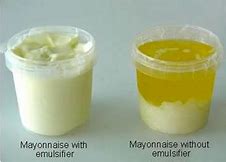
In addition, developments in biotechnology are leading the way for the advancement of tailored emulsifiers that improve stability and structure while lessening ecological effect. This pattern is enhanced by a growing interest being used waste products from food production i was reading this as prospective emulsifier sources, thus advertising a circular economy.
Customer awareness relating to health and health is driving the requirement for emulsifiers that support nutritional accounts, such as those that can deliver practical benefits. As these patterns evolve, the future of emulsifier research will likely emphasize both sustainability and functionality, providing to the changing needs of industries and customers alike
Often Asked Questions
Are Emulsifiers Safe for Consumption in Food Products?
Emulsifiers are normally considered safe for consumption in foodstuff. Governing agencies review their use, guaranteeing they meet safety standards. Nevertheless, specific sensitivities might differ, warranting care for those with particular nutritional limitations or allergic reactions.
Can Emulsifiers Reason Sensitive Responses in Some Individuals?

How Do Emulsifiers Influence the Service Life of Products?
Emulsifiers boost item stability by stopping separation of components, which can lengthen life span. Their capacity to keep uniformity assists shield flavors and structures, ultimately contributing to the durability of numerous food and cosmetic products.
Are There Natural Alternatives to Synthetic Emulsifiers?
All-natural choices to artificial emulsifiers include ingredients like lecithin, guar gum tissue, and xanthan gum. These compounds can successfully support mixes, offering alternatives for those seeking to stay clear of artificial additives while keeping product uniformity and quality.
What Laws Regulate the Use of Emulsifiers in Food and Cosmetics?
Emulsifiers in food and cosmetics are managed by agencies like the FDA and EFSA, which establish safety evaluations, permitted amounts, and labeling requirements to ensure consumer safety and security and product efficiency throughout various markets.
In food products, emulsifiers enhance texture and consistency, improving overall high quality. Furthermore, emulsifiers play a function in prolonging the rack life of cosmetics by protecting against the separation of ingredients, consequently maintaining product honesty over time. In food products, emulsifiers add to enhanced mouthfeel and expand rack life by preventing splitting up of ingredients, which is necessary for maintaining high quality and safety. On the whole, the consolidation of emulsifiers substantially boosts product performance throughout varied applications, making them crucial in everyday products. Emulsifiers are usually taken into consideration risk-free for intake in food items.